A grocery store, a court order, and 70,000 machines nobody wants to move
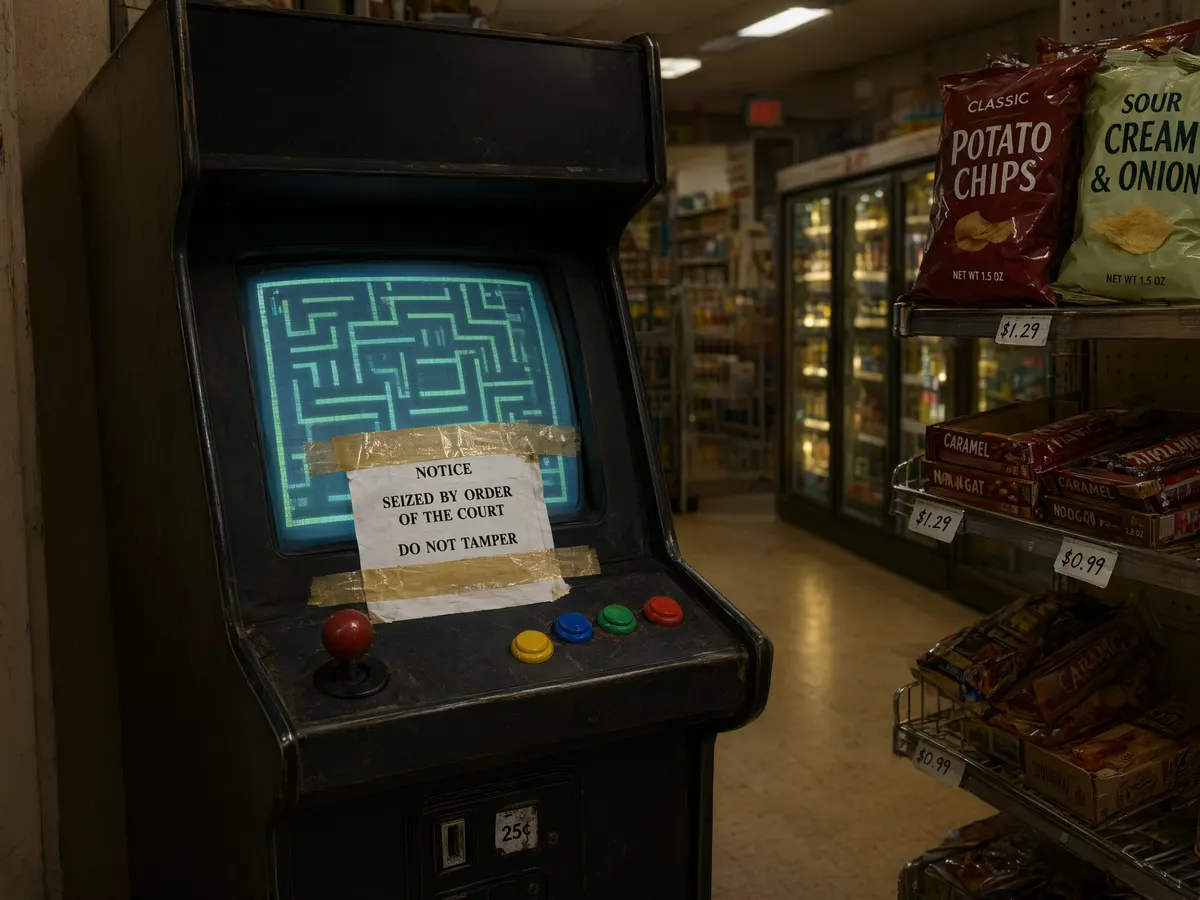
The cabinet is still lit. It sits between the lottery terminal and the cooler, running a game that looks like a slot, sounds like a slot, and pays like a slot, and its owner has been told by the Pennsylvania Attorney General that the machine has to be gone by Oct. 14, 2026 or the police may come and take it. One grocery chain owner told Casino.org his machines were still switched on and that nobody from the manufacturer had told him what to do with the hardware. Multiply that scene by roughly 70,000 and you have the clearest illustration anyone has produced of why the skill games vs slots argument matters far beyond one state.
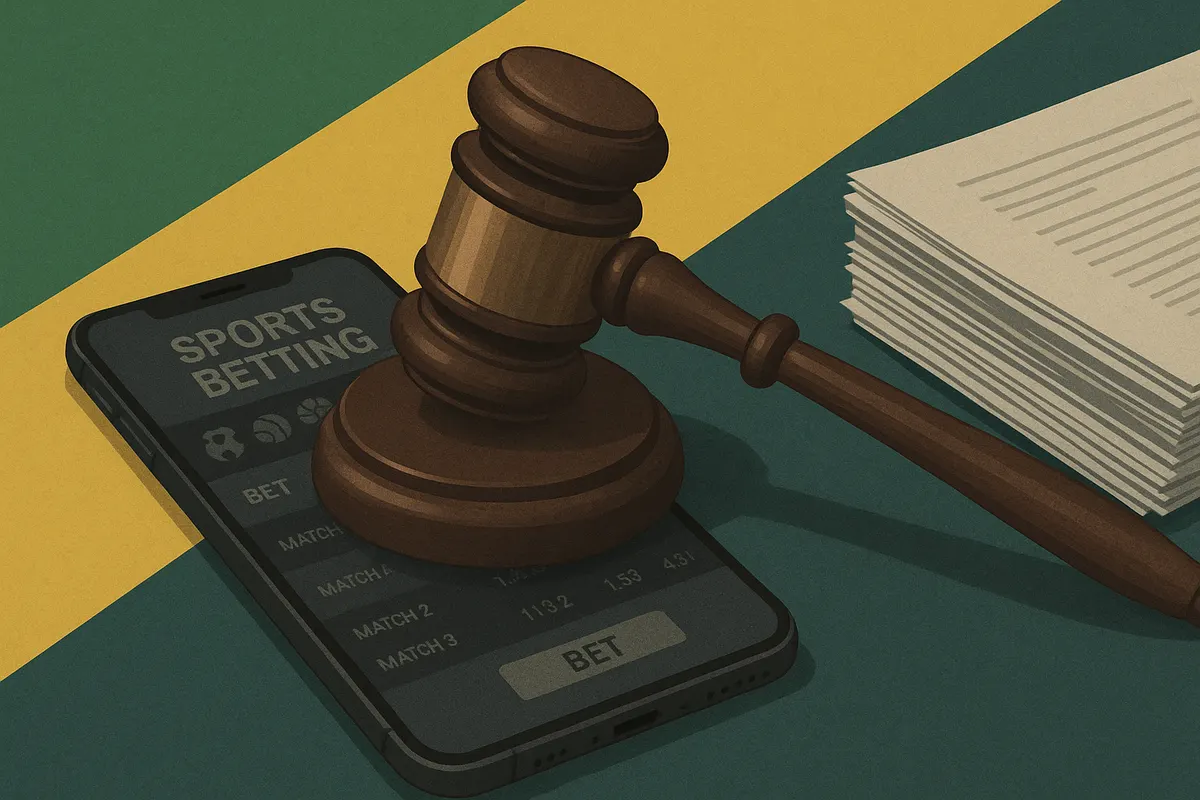
Pennsylvania’s Supreme Court settled the question in June 2026: a sprinkle of skill in a game that is otherwise driven by chance does not lift the device out of the Pennsylvania Gaming Act. Skill games are slot machines, and slot machines belong inside facilities licensed by the Pennsylvania Gaming Control Board. The court granted a 120-day stay, which expires on Oct. 14, 2026. Attorney General Dave Sunday spelled out the consequences on Sept. 29: seizure and forfeiture of machines, equipment and cash, plus criminal charges “where deemed appropriate.”
“We do not want to see searches and seizures at storefronts or bar, social club, and restaurant establishments,” Sunday said. He would rather owners simply comply. State police had already reminded businesses that the machines must be powered off and physically removed, not just unplugged.
That is the news. The more useful thing is what the case teaches about how gambling law actually works, because almost everything the average operator believes about skill machines is wrong in at least one important way.
What are skill games, and what makes a slot a slot?
Both are cabinets that take money and pay money. The difference the industry leans on is whether the player’s decisions genuinely determine what comes back.
How skill games work
The typical “skill game” on a convenience store floor spins reels like a slot, then adds a player action on top. Common designs include a memory or matching puzzle, a nudge feature that lets you shift a reel one position, or a pre-reveal system that tells you in advance whether the next play is a winner and asks you to press a button (or solve a trivial task) to collect it. Manufacturers argue that because the player must act correctly to be paid, the outcome depends on skill.
The catch is that the skill element is usually tiny, easily learned, and sits downstream of a random result. A pre-reveal mechanic does not let you change the outcome. It only tells you what the outcome already is.
How slot machines work
A regulated slot is pure chance. A certified random number generator (RNG) picks each result independently, and the machine pays according to a mathematical model with a published or lab-verified return to player. A 96% RTP means the game returns about 96% of all wagers over millions of spins, leaving a 4% house edge. No button press, stop timing or “strategy” changes that number. Past spins tell you nothing about the next one. If you want the mechanics in more depth, see our explainer on how RTP and RNG work in slots.
The mechanical differences that actually matter
- Where the outcome is decided. In a slot, the RNG decides at the moment of the spin. In most skill games, a random draw also decides, then a skill layer is bolted on.
- Whether decisions change expected value. In poker or sports betting, better decisions measurably change results. In a nudge or pre-reveal game, a competent player and a novice converge within minutes.
- Whether outcomes are predetermined. Some skill games draw results from a finite pool, so the machine knows the sequence of wins and losses in advance. Regulators treat that as a lottery-style structure, not a contest.
- Who verifies the math. Licensed slots are tested by independent labs and monitored by a regulator. Unregulated cabinets are verified by nobody.
Myth 1: if skill affects the outcome, it isn’t gambling
This is the load-bearing assumption of the whole business model, and courts keep knocking it down. The question is not whether skill exists. It is how much skill matters relative to chance, and US states apply different tests to that question.
- The predominance test (the most common): a game is gambling if chance predominates over skill in determining the result. A little skill does not save you.
- The material element test: gambling if chance is a material element of the outcome, even if skill matters more.
- The “any chance” test: the strictest reading, where any meaningful chance element is enough.
Layer in the classic three-part definition of gambling, which most statutes echo: consideration (you pay to play), chance, and a prize. Take away any one and it stops being gambling. Skill game makers try to attack the chance leg. Sweepstakes-style terminals attack the consideration leg instead, by giving entries away “free” with a purchase.
Pennsylvania’s Supreme Court applied the logic bluntly. An element of skill in a game otherwise based on chance does not exempt the device from the Gaming Act, which means gambling machine legality there turns on licensing, not on marketing language. There is a broader lesson: the label on the cabinet has never been the test. The machine’s actual math is.
Myth 2: unregulated means legal
Unregulated gambling machines exist in a grey zone for practical reasons, not because anyone blessed them. Gaming statutes were written for casinos and route operations, definitions of “slot machine” vary word by word between states, and a novel cabinet can sit outside the obvious categories until a court or legislature catches up. Meanwhile enforcement is genuinely hard. Machines are spread across thousands of small venues, each case needs technical evidence about how the game works, and local prosecutors have limited appetite for fighting a grocery store over one terminal.
That gap creates real consequences. There is no age verification standard, no independently tested RTP, no self-exclusion, no deposit or loss limits, no complaint route when a machine refuses to pay, and often no tax on the revenue. Players using these cabinets have none of the protections a licensed venue is required to provide.
It also creates a commercial argument that is hard to dismiss. Pennsylvania Skill machines, made by Pace-O-Matic and Miele Manufacturing, were widely credited with keeping small businesses afloat during and after the pandemic. The skill game industry has asked to be taxed and regulated, just at a rate well below the 55% Pennsylvania casinos pay on slot revenue. Lawmakers from both parties have said they are open to a framework. With the deadline days away and no bill out of committee, the court’s ruling arrives first.
Myth 3: licensed slots are skill games with paperwork
Slot machine regulation is a full compliance stack, which is exactly why regulators prefer it. Here is the practical contrast.
| Requirement | Licensed slot machine | Typical skill game cabinet |
|---|---|---|
| Operating licence | Required; venue and operator vetted | None claimed necessary |
| Game software testing | Independent lab certification of RNG and payout math | Not independently certified |
| Location limits | Only licensed gaming facilities (and permitted route venues) | Convenience stores, bars, clubs, restaurants |
| Gaming tax | Pennsylvania slots taxed at 55% of revenue | Generally untaxed as gaming revenue |
| Age and ID controls | Mandatory, enforced by the regulator | Venue discretion |
| Responsible gambling tools | Self-exclusion, signage, limits | Rarely present |
| Oversight and audit | Ongoing regulator monitoring | None |
Every line in the middle column costs money. That cost is the entire reason the tax rate fight exists, and it is why licensed casinos have funded the legal campaign against machines sitting in gas stations a mile from their doors.
Myth 4: Pennsylvania is a one-off
Pennsylvania is loud, not unique. The same fight has been running for years across multiple states under different names, including skill games, fish tables, sweepstakes terminals and pre-reveal machines, and the arc is consistent: rapid rollout, ambiguous statute, litigation or a legislative fix, then either a licensed framework with a tax rate or an enforcement wave. The reason Pennsylvania matters is scale. A supreme court decision plus 70,000 machines plus an attorney general publicly promising seizures is the template other states will read.
Operators in online gambling should not feel smug, either. The underlying principle carries over to digital products. Calling a wagering mechanic a contest, a sweepstakes or a skill match does not change how a regulator will classify it once real money and chance are both in play.
How businesses stay on the right side of the line
This is general information, not legal advice, and anyone with machines on a floor should be talking to a gaming lawyer in their own jurisdiction. That said, the practical checklist is not complicated:
- Read the statute, not the sales sheet. A distributor’s opinion letter is not a regulator’s approval. Find out which chance/skill test your state applies and how “slot machine” is defined there.
- Ask how the outcome is generated. If results come from an RNG or a finite predetermined pool and the skill layer only affects collection, assume a regulator will call it a slot.
- Treat deadlines literally. Pennsylvania’s guidance requires machines powered off and physically removed. Powering down a cabinet you have kept on site is not compliance.
- Get removal in writing. Distributors, vendors and manufacturers face exposure too. Document who collected what, and when.
- Track legislation. A licensed, taxed framework is the likely endgame in several states. Knowing the licensing conditions early is cheaper than retrofitting later. Our iGaming compliance guide covers the usual licensing obligations in more detail.
The blunt read on skill games vs slots is that the distinction was always weaker than the marketing implied, and enforcement has finally caught up with it. The grey zone is closing, in courtrooms first and legislatures second.
If you play these machines, licensed or not, treat the money as entertainment spend rather than income. The house edge is built in, and it does not care how skilled you feel. Licensed venues are required to offer deposit limits, self-exclusion and support referrals. Unregulated cabinets offer none of that, which is the most practical reason of all to care where a machine is legal.
FAQ
What makes a game skill vs chance?
The legal answer depends on the state’s test. Most use a predominance test: if chance predominates over skill in determining the outcome, it is gambling. Others ask only whether chance is a material element. A minor skill task attached to a random result usually fails all of these.
Why are skill games unregulated?
Because their makers argue they fall outside statutory definitions of a slot machine, and because enforcement across thousands of small venues is slow and evidence-heavy. That is a gap in enforcement, not a grant of legality, as Pennsylvania businesses are now finding out.
How do regulators define gambling machines?
Typically by three elements combined: payment to play, an outcome influenced by chance, and a prize. Regulators also look at whether outcomes are predetermined, whether the RNG and payout math have been independently tested, and whether the device is operating inside a licensed facility.
What is the difference between skill games and slots?
Mechanically, a slot’s result comes from a certified RNG and no player action changes the expected return. A skill game adds a player task, but in most designs that task affects only whether you collect an already determined result. Legally, licensed slots are tested, taxed and restricted to approved venues; skill games have claimed exemption from all three.